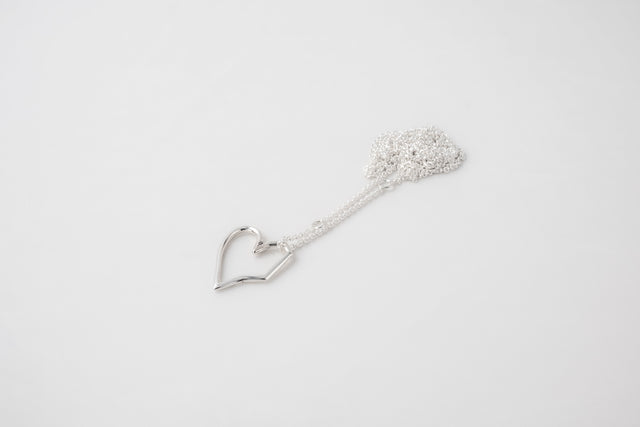
How to Clean Sterling Silver Jewelry Without Damaging the Patina
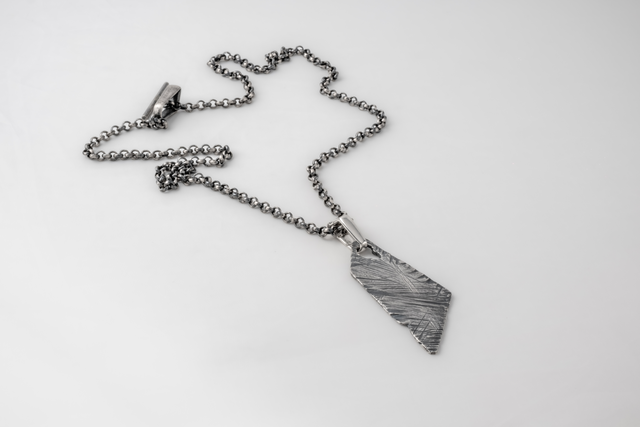
Most silver-cleaning advice online will strip your jewelry back to bare metal — destroying the patina, oxidation, or Living Silver character that gives each piece its individual surface. This guide explains how to clean real silver without damaging it: daily maintenance, monthly cleaning, what to avoid, and how to handle oxidized pieces specifically. Written by people who actually want their silver to age, not be reset every six months.
- Cleaning removes dirt and oils while leaving the silver's character intact; stripping removes everything down to bare bright metal, including patina, oxidation or designed surface — most online advice strips.
- Daily care is a 30-second wipe with a soft dry microfiber cloth after each wear; no chemicals, no rinsing.
- Monthly cleaning is warm water plus a single drop of mild dish soap, a soft toothbrush on textured areas, thorough rinse and immediate pat dry — about 5 minutes per piece.
- Never use toothpaste, baking soda baths, ultrasonic cleaners or commercial silver-dip solutions on oxidized pieces; silver dip strips intentional oxidation that took the workshop hours to apply, irreversibly.
- Living Silver is uncoated silver allowed to patina, and the patina is the value, not grime — light maintenance only, since over-cleaning destroys it.
- Stones differ: tourmaline, aquamarine and quartz tolerate water cleaning, while pearls, opals and turquoise need extra care and should be wiped, not immersed; silver polishing cloths cost $5–$15 and STRUGA offers re-oxidation and refinishing for lost finishes.
Key takeaways
- Daily cleaning = soft microfiber wipe after wear. Removes oils, prevents uneven buildup.
- Monthly cleaning = warm water + mild soap, soft toothbrush for textured areas, pat dry.
- Never use toothpaste, baking soda baths, ultrasonic cleaners, or commercial silver dips on oxidized pieces.
- For Living Silver, less is more — over-cleaning destroys the patina that makes the piece distinctive.
- For lost finishes, send the piece back to the maker rather than experimenting with home recipes.
Clean vs. strip — know the difference
The fundamental confusion in silver cleaning is the difference between «clean» and «strip.» Cleaning removes dirt, oils and casual surface grime while leaving the silver's character intact. Stripping removes everything down to bare bright metal, including any oxidation, patina, or designed surface treatment. Most internet cleaning advice strips. For pieces designed to age — Living Silver, oxidized work, intentionally aged finishes — stripping is exactly what you don't want.
The right approach: clean lightly, often, and stop before you reach the oxidation. Strip only when the piece has reached a state where you genuinely want to start over.
Daily maintenance — 30 seconds
- Wipe the piece with a soft, dry microfiber cloth after each wear.
- The wipe removes skin oils, sweat, and casual surface contaminants before they accumulate unevenly.
- This single habit prevents most «build-up» problems that lead to harsher cleaning later.
- 30 seconds per piece, no chemicals, no rinsing. Just dry contact.
- For pieces stored more than a few days, add an anti-tarnish strip to the storage box.
Light cleaning — monthly
- Warm water + a single drop of mild dish soap. Avoid harsh detergents, antibacterial soaps with heavy chemicals, or anything labeled «degreaser.»
- Soft toothbrush. Gentle bristles only. Use circular motions on textured areas to lift dirt from grooves and recesses.
- Rinse thoroughly in clean warm water — soap residue can cause its own discoloration over time.
- Pat dry immediately with a soft cloth. Do not air-dry; water spots accelerate uneven oxidation.
- Optional: silver polishing cloth on bright areas only. Use light pressure, work only the highlighted (raised) surfaces if you want to refresh contrast on oxidized pieces.
This routine takes 5 minutes per piece and removes surface dirt without affecting designed patina or oxidation.
The toothbrush step matters most on deeply textured pieces — link-by-link work like the Thorn Links Chain collects skin oils in recesses a cloth alone won't reach.
What NOT to do
- No toothpaste. Common internet advice but the abrasive level varies dangerously by brand. Some toothpastes scratch silver visibly. The risk is not worth the marginal effectiveness — use a polishing cloth instead.
- No baking soda baths. The «aluminum foil + boiling water + baking soda» method strips all oxidation aggressively. Designed for badly tarnished plain silver — destructive on oxidized or patina-aged pieces.
- No ultrasonic cleaners. Effective for plain bright silver but damages stones (loosens settings), affects oxidized finishes unevenly, and can stress soldered joints.
- No commercial silver-dip solutions. Strip everything in seconds — including intentional oxidation that took the workshop hours to apply. Designed for bright pieces only; ruins designed-dark pieces irreversibly.
- No chlorine bleach, ammonia, or harsh household chemicals. All react aggressively with silver. Some can permanently discolor or pit the surface.
- No abrasive scrubbers. Steel wool, scouring pads, hard-bristle brushes scratch silver. Even if you want to remove oxidation, do it with a polishing cloth, not abrasion.
Restoring brightness selectively
If you want to restore brightness to specific areas — like the contact points on an oxidized ring — use a proper silver polishing cloth. Rub only the areas you want brightened. The selective removal creates beautiful contrast between polished highlights and dark recesses. This is how a Living Silver or oxidized piece develops character: not uniform shine, but deliberate highlights against deeper darkness.
High-relief forms like the Thorn Ring show this best: the raised points brighten with wear while the recesses hold their dark.
Polishing cloths are available at most jewelry retailers, including from STRUGA. They are inexpensive ($5–$15) and last for many uses.
For different finish types
Bright polished silver
Standard cleaning works. Polishing cloth refreshes the shine. Silver dip in extreme cases (badly tarnished). Will tarnish again — that's the nature of bright silver.
Living Silver (uncoated, allowed to patina)
Light maintenance only. Daily microfiber wipe + occasional warm-water wash. Avoid anything that strips the developing patina. The patina is the value; protecting it matters more than restoring brightness.
STRUGA silver ships uncoated for exactly this reason — the surfaces across the full collection are meant to start bright and age with the wearer.
Oxidized / blackened silver
Gentle washing only. Polishing cloth on raised areas if you want refreshed contrast. Never silver dip, never aggressive scrub. If the oxidation has worn unevenly, send back to the maker for re-application rather than trying to even it out at home.
Stone-set silver
Avoid soaking. Wipe with damp microfiber, rinse carefully without immersing the stone. Some stones (turquoise, opal, pearl) are damaged by water; check the specific stone before cleaning. Tourmaline, aquamarine, quartz tolerate water cleaning fine.
Mixed-metal pieces (silver + other metals)
Most mixed-metal pieces can be cleaned with the standard light routine. Avoid anything aggressive that might attack one metal differently than the other.
Storage matters more than cleaning
How you store silver between wears affects tarnish more than how you clean it.
- Cool, dry, dark. Light, heat and humidity all accelerate tarnish.
- Anti-tarnish bags or strips. Activated charcoal or specialized anti-tarnish papers absorb sulfur compounds before they reach the silver. Replace every 6–12 months.
- Separate pieces. Store each piece in its own pouch or compartment. Direct contact between pieces causes scratches and uneven tarnish.
- Avoid rubber and latex. Both contain high sulfur. Don't store silver near rubber bands, latex gloves, or rubber-based jewelry organizers.
- Wear regularly. Counter-intuitive but true — silver worn often tarnishes more evenly and develops a softer patina than silver left in a drawer.
Related
- How to care for sterling silver — full guide
- Why silver tarnishes — the chemistry
- Oxidized silver explained
- The Living Silver philosophy
- Sterling silver care guide
- Sterling silver 925 complete guide
STRUGA cleaning approach. Light maintenance preserves Living Silver patina. Aggressive cleaning destroys the character that makes each piece individual. STRUGA offers lifetime refinishing for pieces that have moved beyond home-care territory — re-oxidation, polishing, refurbishment.
Frequently asked questions
Didn’t find the answer — write to us, we reply personally.
Ask a question →01Is cleaning the same as polishing silver?+–
No. Cleaning removes surface dirt and oils and leaves the metal intact. Polishing removes a microscopic layer of metal — including any oxidation or patina. Cleaning is for daily and monthly care; polishing is for restoring shine on bright pieces and should be used selectively on oxidized ones.
02Is Living Silver patina dirt that needs to be cleaned off?+–
No. On Living Silver — uncoated silver allowed to patina — the patina is the value, not grime. It develops from wear and is the point of the piece. Light maintenance only: a daily microfiber wipe and an occasional warm-water wash. Avoid anything that strips the developing patina.
03Is a silver dip a safe way to clean an oxidized piece?+–
No. Commercial silver-dip solutions are designed for bright silver and strip everything in seconds — including the intentional oxidation that took the workshop hours to apply. They ruin designed-dark pieces irreversibly. For oxidized and Living Silver pieces, stick to mild soap and water.
04Does uneven darkening on an oxidized ring mean it is damaged?+–
No. It is normal wear: high-contact areas such as knuckles and finger creases brighten faster than recessed areas. If the contrast is no longer what you want, send the piece back to the maker for re-oxidation rather than trying to even it out at home.
05How often should I clean my silver?+–
Daily microfiber wipe is enough for most pieces. Monthly soap-and-water cleaning if you wear the piece daily. Less frequent if the piece is occasional wear.
06My oxidized ring is wearing unevenly. What do I do?+–
This is normal — high-contact areas (knuckles, finger creases) brighten faster than recessed areas. If the contrast is no longer what you want, send the piece back for re-oxidation. Don't try to fix it at home.
07Can I use jewelry cleaning solutions?+–
Most commercial solutions are designed for bright silver and will strip oxidation. For Living Silver and oxidized pieces, stick to mild soap and water. Send to the maker for anything more involved.
08What's the difference between cleaning and polishing?+–
Cleaning removes surface dirt and oils. Polishing removes a microscopic layer of metal — including any oxidation or patina. Cleaning is for daily/monthly care. Polishing is for restoring shine on bright pieces and should be selective on oxidized ones.
09How do I know if I've over-cleaned?+–
The piece looks visibly different than it did before — particularly if recessed areas have brightened, or if the overall character has shifted from dark to bright. The change is usually permanent without re-oxidation.
10Are silver-cleaning gloves a good idea?+–
Treated cleaning gloves work well for everyday touch-up on bright pieces. Less appropriate for oxidized pieces because they apply pressure across the whole surface, including recessed areas.
11What if my silver has stones?+–
Tourmaline, aquamarine, quartz, raw stones in general tolerate water cleaning fine. Pearls, opals, turquoise need extra care — these are softer and more porous. Wipe with damp cloth instead of immersing.