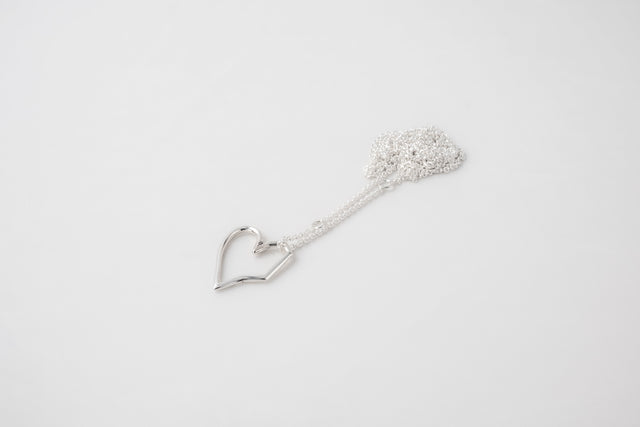
Should Men Wear Jewelry? Cultural Context and Modern Style Guide
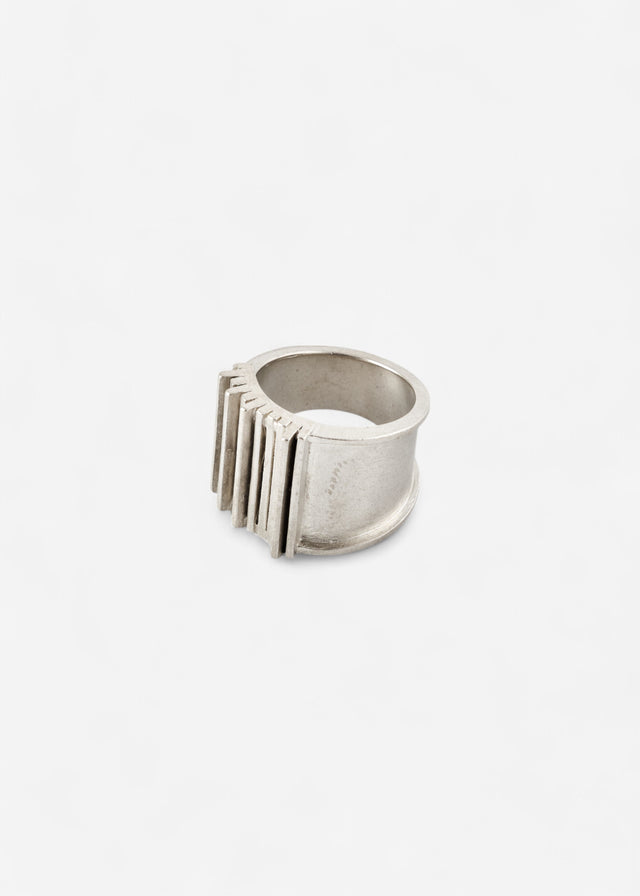
Yes, men can wear jewelry. Start with one piece if you want to see how its weight, fit and shape work with clothes you already wear. Choose for your own taste and daily activities. Check workplace requirements and safety separately: a ring that suits your shirt still needs to come off before work with tools or machinery.
Updated October 8, 2026
A ring is especially noticeable to the person wearing it. It touches the next finger, taps a cup and appears beside the keyboard. Those small encounters are a useful starting point for choosing a piece. Its size does not have to prove anything about masculinity.
For a first comparison, look at Signature Links V.1: the size 16 ring weighs 2.7 g. Three other forms appear below, alongside checks for fit. The men's jewelry style guide goes further into combinations; this page addresses the decision to start wearing jewelry.
How much does a first silver ring cost?
The four rings in this selection start at a displayed price of $122. Compare weight and price for the same size: a model name alone leaves out part of the decision. The figures below were checked against the catalog and international storefront on October 8, 2026. Check the selected variant in its product page before ordering.
These four pieces already belong to this article's selection. Their order is not a ranking: a light line of links and a larger signet give you different forms to try. The table provides specific starting points for a fitting rather than one prescribed first ring.
| Ring | Size | Weight | Price, USD |
|---|---|---|---|
| Signature Links V.1 | 16 | 2.7 g | $122 |
| Triple Drills | 15 | 3.1 g | $127 |
| Thorn | 16 | 4.7 g | $181 |
| Brutalism V.1 | 15 | 9.6 g | $382 |
The difference between 2.7 and 9.6 g is clear on paper, but weight alone cannot tell you how a ring feels. Check the width of the band, the height of its top and whether the surface touches adjacent fingers. Compare pieces on the same hand with your usual clothes.
The product pages currently state made to order in about two weeks. That describes production time, not a guaranteed delivery date. Confirm size, current price and shipping terms before paying.
Have men worn jewelry throughout history?
Surviving objects provide specific examples of men's jewelry. They do not show that every man in every culture dressed alike. The Metropolitan Museum of Art holds a gold signet ring of Michael Zorianos, dated to about 1300. The museum cautiously associates it with an official of that name and suggests it may have sealed documents.
The Victoria and Albert Museum's history of jewelry treats eighteenth-century small swords as male jewelry. Their elaborate gold and silver hilts show how differently the category could be understood. History broadens the possibilities without making someone else's dress a requirement.
A contemporary signet can appeal simply through its face and proportions. An inherited piece, a wedding ring and a new form from a catalog may carry very different meanings. Let the wearer define those meanings rather than relying on a universal list of what each finger supposedly says.
What if wearing jewelry feels unfamiliar?
Separate an unfamiliar appearance from an uncomfortable fit. You can assess the first with a few outfits. The second calls for a different size or form: pressure and snagging are not things you need to endure to get used to a piece.
Try one item at home, look at it in a full-length mirror and make ordinary movements. With a ring, bend your fingers; with a bracelet, check its position beside a cuff; with a chain, see where it falls against the neckline. A piece needs to work on your body as well as in a photograph.
Someone else's comment cannot determine your size or taste. A question about your ring can have a simple answer: you like the shape, it was a gift, or you chose it for yourself. There is no required number of days for self-consciousness to disappear, and no need to buy a second piece after a month.
Should you start with a ring, chain or bracelet?
Start by considering where a piece would interfere least with your daily activities. A ring stays in your own line of sight; a chain brings attention toward the neckline; a bracelet moves with the wrist. Each deserves a fitting.
Fit a ring to the finger where you intend to wear it. It needs to pass over the knuckle and stay at the base without slipping off during ordinary movement. Do not order a wide band solely from the feel of a narrow ring. Use the ring size guide when measuring.
Check a chain's actual length on yourself: the same length sits differently on different necks and collars. A bracelet needs room to move and a clasp you can operate. The separate guides cover necklace lengths and bracelet sizing.
- Want to see the piece while wearing it? Begin the fitting with a ring.
- Prefer to keep your fingers clear? Compare a chain and bracelet with your clothes.
- Need to remove jewelry at work? Decide on a consistent storage place first.
How can jewelry work with everyday clothes?
Try the piece with what you already wear. A black T-shirt makes the outline of light metal clear; a shirt cuff reveals how a bracelet moves; dense knitwear helps you notice whether a raised form catches. These are practical checks before you build a larger collection.
Look at the whole outfit from a distance. If one large form takes all your attention, remove the other pieces and compare the result. That is a way to choose, not a rule against several rings. The number of objects alone does not decide whether you like the combination.
A thin ring does not have to look feminine, and a heavy ring does not establish masculinity. STRUGA approaches objects through weight, fit and silhouette rather than gender divisions. Bright silver and a deliberately darkened surface also give different impressions; look at both in daylight.
How does sterling silver differ from silver plating?
A sterling silver piece is made from a silver alloy; a silver-plated piece has silver applied over another material. Read the full material description rather than judging the photograph's color. The guide to 925 silver explains the material in more detail.
At STRUGA, Living Silver means 925 silver without rhodium plating. Oxidation is a separate treatment that deliberately darkens the surface. Choose a bright surface that will change with wear or a surface already darkened to show the form as you want to see it now.
A single lifespan cannot describe every plated finish: the coating and use both matter. A silver ring is not invulnerable either. Its surface needs care, and its construction needs appropriate handling.
- Check the base material and surface treatment separately.
- Read the specifications for the size you are selecting.
- Follow care advice for that finish: a cleaner for bright silver may alter a darkened surface.
When should you take jewelry off?
Remove rings before using tools or equipment that can catch the metal. Cleveland Clinic explains ring-avulsion injuries and recommends taking rings off before these activities. A strong ring does not protect the finger from being pulled.
Store the piece before workouts, swimming or contact with household chemicals. Tiffany advises removing its jewelry for exercise and swimming; for a STRUGA piece, follow the relevant product's care instructions. Materials, stones and surface treatments need different care.
At work, follow the requirements for your role and equipment first. Check them before buying if you expect to wear the piece during a shift. A separate pouch in a consistent place is a more deliberate storage choice than the edge of a sink or a pocket you regularly empty.
What should you check before buying?
Check fit, material, surface finish and the full cost of the order. If you are buying a gift, a photograph of a hand cannot reliably give you its ring size. Agree on a measurement method or check the exchange conditions in advance.
Read the price for your chosen variant along with production, delivery and return terms. This selection uses the USD prices displayed on STRUGA's international storefront; confirm the final checkout details for your destination. For the international market, STRUGA objects are made in Bali.
Before paying, ask whether you like the piece with your normal clothes and can wear it in the circumstances you have in mind. The answer may point toward a different width, another kind of jewelry or waiting before buying anything.
What jewelry should men buy in Bali?
Choose a piece you can assess for fit, material, finish and price. Indonesia's official tourism portal identifies Celuk in Gianyar as a center of silver craft. A place name alone does not establish the properties of an individual piece.
If you are considering STRUGA during a trip, use the international storefront and its current Where to Buy page. Confirm the model and size before visiting a stockist. Do not assume a made-to-order object will be ready before you leave without a confirmed schedule.
Where can you continue choosing?
Compare forms in the men's jewelry selection; CODEX and LAB offer two directions. For surface details, read the oxidized silver guide; for the history of the shape, see the signet ring guide.
Your first piece does not need to explain everything about you. A fit that works and a shape you want to return to are enough. Let your hand decide.
Frequently asked questions
Didn’t find the answer — write to us, we reply personally.
Ask a question →01Should men wear jewelry?+–
Yes, if they want to. Taste, fit, circumstances and workplace requirements guide the choice. Starting with one piece makes it easier to assess it with clothes you already wear.
02What jewelry should a man choose first?+–
Compare a ring, chain and bracelet. Check a ring on the intended finger, a chain against your neckline and a bracelet for movement and an accessible clasp. There is no universal first piece.
03How much jewelry can a man wear at once?+–
There is no compulsory number. One piece is easier to assess on its own; try several together with your clothes and consider the overall silhouette.
04Can you wear a silver ring during a workout?+–
Take the ring off before training, and always before work with tools or equipment that could catch it. Silver does not remove the risk of injury.
05How many days does it take to get used to a ring?+–
There is no general timetable. You can assess an unfamiliar appearance over time; pressure, pain and snagging should not be endured for the sake of getting used to it.
06What does a ring on a man mean?+–
It may be a gift, a wedding ring, an inherited piece or a choice of shape. One piece of jewelry cannot reliably establish the wearer's beliefs, character or personal life.
07How much does a first STRUGA ring cost?+–
In this selection, Signature Links V.1 in size 16 shows $122 on October 8, 2026. Prices vary by size; check the selected variant and checkout details before ordering.
08What jewelry should men buy in Bali?+–
Choose a piece that fits and whose material you can verify. Check purchase and production terms. STRUGA's international Where to Buy page lists its current stockists and contacts.