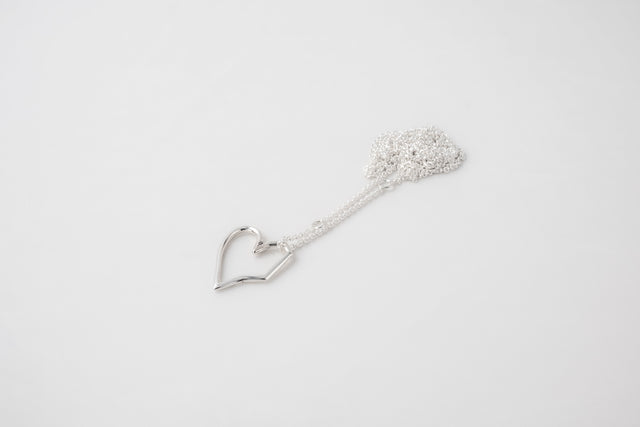
Celuk Village — The Silver Capital of Bali
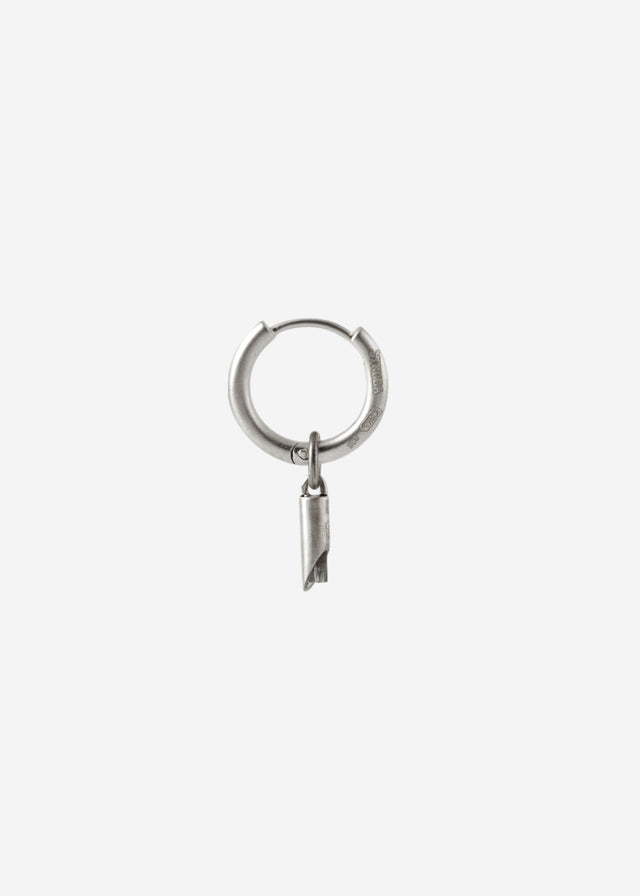
Celuk is a village in the Gianyar regency of Bali, recognized as the historical center of Balinese silver craft. Its silver work is a little over a century old: it was started in 1915 by a pande — a smith of the Balinese smith caste — named I Nyoman Gati, who had learned the trade from his father, and the village took it up broadly from 1935. The smith lineage behind it is far older than the village industry. Today Celuk is a working village, not a museum: workshops still cast, file, polish and oxidize silver every day. This guide explains what makes Celuk specifically the silver capital of Bali, how the tradition survives, what to expect if you visit, and where Celuk silver fits in the global silver market.
- Celuk is a village in the Gianyar regency of Bali, about 20 minutes from Ubud and about 45 minutes from Sanur or the airport, recognized as the historical center of Balinese silver craft.
- The village's silver work dates to 1915, when the pande I Nyoman Gati began working silver here; the village took it up broadly from 1935, and hundreds of working silversmiths are concentrated in one place today.
- Celuk produces both traditional ornamental silver and contemporary designer silver — the village is not aesthetically frozen.
- Authentic Celuk silver is 925 sterling, hand-cast and hand-finished; the 925 hallmark confirms the alloy is sterling silver, not the place of origin.
- A typical hand-finished Celuk silver ring runs $40–$200, statement pieces $200–$800, collector pieces higher; silver sold in Celuk is not automatically made in Celuk — verify the workshop.
- Most Celuk silver is sold uncoated, without rhodium plating, so it develops patina visibly within weeks — a feature of the tradition, designed to age.
- STRUGA is a contemporary Bali jewellery brand, handmade in Bali by master silversmiths in 925 sterling silver, following no local style with its own architectural, brutalist forms (ISLAND ARTIFACTS); its first form is the SIGNATURE ASYMMETRIC family, for example the Signature Links V.2 Ring.
Updated August 27, 2026
Where silver lives
Celuk, in the Gianyar regency of Bali, is the historical center of Balinese silver craft, and its industry has a documented starting point. In 1915 a pande named I Nyoman Gati began working silver in the village; he had learned the trade from his father, I Nyoman Klesir, who in turn apprenticed under a pande from Mengwi in Badung. Gati worked for the courts — ceremonial vessels, keris fittings, ornaments for the puri — and his neighbours followed him into the trade; from 1935 the village took up silver at scale. Apprenticeship has stayed built around the family workshop rather than formal schooling ever since.
What is genuinely ancient here is not the village industry but the line of smiths behind it. The Pande are Bali's hereditary metalworking caste, and metalwork on the island reaches back long before Celuk had a silver trade of its own — which is why the two are worth keeping apart.
Those dates are on record: a study of the village's craft settlement published by Universitas Pendidikan Nasional traces the start of its silver work to I Nyoman Gati in 1915 and the village's broad adoption to 1935. The figure of a thousand years, repeated across tourist brochures, belongs to Balinese metalwork as a whole rather than to this village's silver trade. Celuk is geographically close to Ubud (about 20 minutes by car) and on the standard tourist route, but the working part of the village — the actual silver work — happens behind unmarked doors and in small back-of-house workshops, not in the storefronts that line the main road.
What makes Celuk specifically a silver capital
- Continuous tradition. Most silver-producing regions worldwide have lost their apprenticeship chain at some point — through industrialization, war, or economic shift. Celuk has not. The line runs unbroken from Gati's workshop in 1915, through the village-wide expansion of 1935, to the workshops running today — and the Pande smith lineage behind it is older still.
- Concentration of skill. Hundreds of working silversmiths in one village, sharing techniques, materials and tools. This concentration produces faster skill development than dispersed individual workshops would.
- Range of styles. Celuk is not stylistically frozen. Workshops there produce traditional Balinese ornament (fine wirework, beaded detailing, ceremonial pieces) alongside contemporary architectural and brutalist work for international brands. The same village can produce a wedding-temple offering and a minimalist designer ring.
- Local supply chains. Silver wire, alloy components, casting plaster, polishing compounds, fine tools — all available locally. New workshops can start without importing materials.
- Cultural integration. Silver plays an ongoing role in Balinese ritual and daily life. Demand from local markets keeps the tradition alive even when international demand fluctuates.
What you'll see in Celuk today
The village has two faces. The street-facing side is showrooms — large retail spaces aimed at tourist groups, with wide selections of pieces (some made in Celuk, some imported). Prices are negotiable, hallmarks should be checked, quality is variable.
The working side is small workshops behind ordinary residential doors. These are where the actual silver work happens: hand files, charcoal torches, polishing wheels driven by foot pedals or small electric motors, casting setups in courtyards. Most working workshops do not have street signage. They produce on order for established brands or for local retailers; few have the bandwidth for walk-in tourist business.
If you want to see real Celuk silver work, it is easier to get in through an established brand or a guided craft tour than by walking up to random doors. The working artisans are not unfriendly — they're working.
Visiting Celuk — what to know
Celuk is on the standard tourist route between Denpasar/Sanur and Ubud — most visitors pass through it on the way to or from Ubud's central area. About 20 minutes from Ubud's main town by car or scooter; longer in traffic.
- Best time: Morning to early afternoon. Workshops typically run from early morning through midday; later in the afternoon many close down.
- What to look for: Pieces with visible 925 hallmarks, workshops where you can see actual production happening, retailers who can name the workshop a piece came from.
- What to avoid: Unmarked pieces (likely not real 925), heavy-discount «sale» tactics aimed at tourists, anyone unwilling to discuss the alloy or origin.
- Prices: Negotiation is expected at most retail showrooms but not at established brand outlets. A typical hand-finished Celuk silver ring runs $40–$200; statement pieces $200–$800; collector pieces higher.
How Celuk silver compares to other Bali silver
Most Bali silver is from Celuk, but not all. Other Bali villages — including some in northern and eastern Bali — produce silver as well. The distinctions:
- Celuk: Largest concentration of workshops, broadest range of styles, established export relationships.
- Other Gianyar-regency villages: Often work in subcontract relationships with Celuk-based brands.
- North Bali (Singaraja and surrounds): Smaller silver presence, traditional pieces leaning more ornamental.
- Tourist-area workshops: Pieces sold in Kuta, Seminyak and Canggu may be made in Celuk or elsewhere; verify with the seller.
The «Celuk silver» label is most reliably applied to pieces made in Celuk-based workshops, not just sold there. Reputable brands will tell you which workshop produced your piece.
How fast uncoated silver darkens
Celuk silver is almost always sold without rhodium, and the film shows up in the first weeks. It is silver sulphide: the metal reacts with traces of sulphur in the air and on skin. The film stays on the surface and the alloy underneath is not consumed — a surface reaction, not damage to the 925.
The film does not stop on its own. Silver held in ordinary laboratory air, with hydrogen sulphide and sulphur dioxide below 0.2 parts per billion, builds a measurable layer on this schedule (Journal of Applied Physics, vol. 40, 1969):
| Time in the air | Tarnish layer |
|---|---|
| 1 hour | about 0.1 nanometre |
| 1 day | 0.3 to 0.6 nanometre |
| 1 week | 1.5 to 3 nanometres |
| 1 month | 6 nanometres or more |
Growth slows as the layer thickens, but the common line that tarnish seals itself off and stops is not what the instruments show. For a buyer that means one practical thing: a dark tone on Bali silver is the expected state, not a workshop defect. The order of cleaning and what never to do is in silver care.
STRUGA and Bali’s silver heritage
STRUGA is a contemporary Bali jewellery brand, handmade in Bali by master silversmiths in 925 sterling silver — wax casting, hand filing, hand polishing, hand oxidation, the slow methods the island is known for. The design language is its own: architectural, brutalist, experimental.
STRUGA stands on the same island, inside the same Balinese silver tradition, but follows no local style — the forms are entirely its own. Read more on how STRUGA pieces are made →
How to buy Celuk silver responsibly
- Buy from accountable workshops or brands. Pieces with traceable origin are more reliably real Celuk silver and support the actual craft economy.
- Verify the 925 hallmark. Real Celuk silver is properly stamped. Pieces without a stamp are gambling.
- Pay fair prices. Aggressive discount tactics often correlate with cut corners somewhere — usually alloy or finishing. A piece that should cost $80 selling for $20 is suspect.
- Skip pieces sold without context. A retailer who cannot tell you anything about who made the piece is not a useful intermediary; the piece is just inventory to them.
- Support local channels. Buying directly from Celuk-area brands and workshops supports the multi-generational craft economy more directly than buying through intermediaries elsewhere.
Related
- Inside a Bali silver workshop — how STRUGA pieces are made
- The full Bali silver jewelry guide
- Bali silver vs Turkish vs Thai silver
- How Bali jewelry is made — from silver to sculpture
- All STRUGA jewelry — anchored in Bali production
STRUGA in the Bali silver tradition. The Bali silver-craft tradition is the substrate STRUGA builds on — generational hand skill, plus modern oxidation and brutalist geometry. Every cast piece is 925 sterling silver, hand-patinated, finished by hands that have worked silver for years.
Frequently asked questions
Didn’t find the answer — write to us, we reply personally.
Ask a question →01Is Celuk silver the same as Bali silver?+–
Not exactly. Celuk is the dominant center, but Bali silver also includes pieces from other Gianyar-regency villages and from north Bali. Celuk silver is most reliably the subset made in Celuk-based workshops — not everything labeled Bali silver.
02Is silver sold in Celuk the same as silver made in Celuk?+–
No. Showrooms along the main road sell a mix — some made in Celuk, some imported. A piece sold in the village is not automatically a Celuk-made piece; ask which workshop produced it.
03Does a 925 hallmark prove a piece was made in Celuk?+–
No. The 925 stamp confirms the alloy is sterling silver, not the place of origin. A piece can be properly stamped 925 and still be made outside Celuk — origin and alloy are two separate things to check.
04Where exactly is Celuk?+–
In the Gianyar regency of Bali, on the road between southern Bali (Denpasar/Sanur) and Ubud. About 20 minutes from Ubud center; about 45 minutes from Sanur or the airport.
05Is all Bali silver from Celuk?+–
Most, but not all. Other villages in Gianyar regency and elsewhere on Bali also produce silver. Celuk is the dominant center, but «Bali silver» includes pieces from outside the village too.
06Can I visit a Celuk workshop?+–
Working workshops generally don't accept walk-in visitors — they're production facilities, not tourist sites. Established brands and guided craft tours offer structured workshop visits. Showrooms on the main street welcome browsing.
07Is silver bought in Celuk cheaper than silver bought elsewhere?+–
Sometimes, but not always. Direct workshop pricing skips retail margins, but retail-side showrooms in Celuk sometimes price higher to tourists than the same pieces sold internationally. Compare prices, negotiate, and verify hallmarks.
08What's the difference between Celuk silver and Bangkok silver?+–
Celuk leans toward smaller workshops, more individual hand-finishing, more Balinese cultural context. Bangkok has larger workshops with more division of labor and more cost-optimized production. Both produce real 925; the production model differs.
09Are Celuk pieces always handmade?+–
Most are, including all the work from established artisan workshops. Some larger Celuk-area producers use semi-automated finishing for entry-level pieces. Designer-driven and small-batch work is fully handmade.
10Why does Celuk silver tarnish faster than commercial silver?+–
Most Celuk silver is sold uncoated, without rhodium plating. The dark film is silver sulphide: silver reacts with traces of sulphur in the air, not with air as such. The film does not seal itself off — measurements show it keeps thickening, from under a nanometre in a day to six nanometres or more in a month. Uncoated, that is visible within weeks. This is a feature of the tradition, not a flaw — Bali silver is designed to age, not to stay frozen.
11Is Celuk silver real 925 silver?+–
Workshop pieces usually are — the alloy is 925 sterling. Tourist-market quality varies. Look for the 925 hallmark and the signs of real handwork: tool marks, weight, hand-finished edges.
12How does STRUGA relate to Celuk?+–
STRUGA works within Bali's silver craft tradition and translates it into a dark, architectural language. Pieces are handmade in Bali by master silversmiths.
Continue from the journal to a current STRUGA object: Classic + Signature Mushroom Earring.