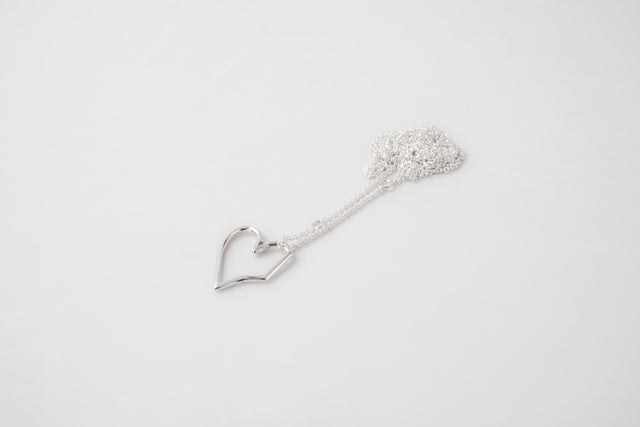
Cleaning starts with the surface you want to keep. Remove everyday dirt from an all-silver piece with mild soap and water; remove unwanted patina from uncoated Living Silver with a silver-cleaning liquid used according to its label. Preserve deliberately dark recesses. This page gives the practical care sequence; the oxidized-silver guide explains the finish and compares it with rhodium and niello.
Soap removes dirt and skin oils; it is not a silver-tarnish remover.
To reset patina on uncoated Living Silver, use a silver-cleaning liquid according to its label.
To retain an oxidized finish, keep tarnish-removing liquids and abrasives away from the dark recesses.
Clean when the surface needs it. There is no weekly wash, monthly polish or annual service requirement.
For stones, carbon, glued parts or other materials, send STRUGA the model and a photograph before choosing a method.
Cleaning and minor repair of a STRUGA piece are free for as long as the piece is yours; the owner pays shipping to us.
First — is your silver tarnished, or is it oxidised on purpose?
Decide whether you want to remove the patina or keep the contrast. The Brutalism V.3 ring shows deliberately dark recesses beneath lighter bar ends. An uncoated bright ring can also darken naturally during wear. Both surfaces belong to Living Silver; intentional oxidation describes the finish applied at the bench.
Tarnish is unintentional. Bright polished sterling left in air and humidity slowly turns dull yellow, then brown, then black. The film is silver sulphide: the metal reacts with sulphur-containing gases in the air, mostly hydrogen sulphide, which the Canadian Conservation Institute measures inside museums at 86–600 ppt. The colour is a thickness gauge: across 10–100 nm the film runs yellow, then red-brown, then blue, and past roughly 100 nm it reads black. The metal underneath is unchanged. Tarnish is reversible and cosmetic. You remove it because the piece was designed to be bright.
Oxidation is intentional. A controlled chemical reaction darkens the silver all over, and then the silversmiths hand-polish the high points to leave the recesses dark. The result is contrast between the high points and the recesses. On an oxidised piece, the darkness is not a defect — it is the design.
Mixing these up is how people destroy good jewellery. They scrub a deliberately blackened ring with silver polish, watch the design "brighten," and then realise the piece they bought has lost the contrast that made it beautiful. Once you know which type you have, you know what to do — and what not to do.
How to clean tarnished silver — the safe methods
-
Choose the finish
Decide whether you want to remove the patina or keep the contrast.
-
Choose the method
Choose the method by the finish and construction.
-
Remove everyday dirt
For a plain all-silver piece, use warm water, mild soap and a soft cloth. Rinse and dry completely.
-
Keep the intended contrast
Keep cleaning compound out of the recesses whose dark finish you want to retain.
Choose the method by the finish and construction. A polished all-silver band, a matte ring and a silver-and-carbon pendant need different treatment.
Method 1 — remove dirt with mild soap
For a plain all-silver piece, use warm water, mild soap and a soft cloth. Rinse and dry completely. This removes everyday dirt and oils while leaving the choice about patina separate. Avoid pulling or twisting a chain during washing.
Method 2 — preserve patina with a soft cloth
Use a clean untreated cloth for dust and daily marks. A silver-polishing cloth contains a cleaning compound: reserve it for the accessible bright areas you want to brighten and keep it away from deliberate dark recesses.
Method 3 — reset uncoated Living Silver
To remove accumulated patina from an uncoated all-silver object, use a silver-cleaning liquid according to its instructions. Check that its label permits the whole construction. Rinse and dry as directed. This also removes intentional darkening, so choose it only when that is the result you want.
Method 4 — renew an uncoated matte finish
For uncoated matte silver, Scotch-Brite or fine abrasive paper can renew the surface. Abrasion changes the finish: keep it off polished planes, deliberate dark recesses, stones and inlays. Send STRUGA a photograph first if those surfaces meet on the same object.
Baking-soda paste, a foil bath and an ultrasonic bath are not the routine prescribed here. Abrasive paste can change the finish; a tarnish-removing bath can erase deliberate darkening. For the conservation background, see the Canadian Conservation Institute’s silver-care note.
What NOT to do — methods that destroy good silver
Keep tarnish removers away from contrast you want to retain
Read a silver dip’s label before use. It serves a different purpose from soap: removing the patina rather than washing away dirt.
Use the whole construction to choose a method
Stones, carbon, glued parts and mixed materials change what can be immersed or abraded. For a STRUGA object, send us its model name and a photograph to agree care for the complete piece.
Leave toothpaste and abrasive kitchen pastes out
They offer no control over the surface you are trying to preserve. Use the method selected for that finish instead.
Choose cloths and brushes for the surface
Use a soft untreated cloth for routine wiping. A polishing compound or abrasive tool changes the finish; apply it only where that change is intended.
Remove jewellery before household cleaning
Keep bleach and cleaning chemicals away from the piece. Apply perfume and lotion before putting it on.
How to care for oxidised silver — the STRUGA approach
The purpose of caring for oxidized silver is to keep the intended contrast while removing dirt. There is no calendar that applies to every wearer.
During wear — protect the object
Remove the piece for household cleaning, swimming and activities that could crush or catch it. The construction matters as much as the metal: a chain can snag and a ring can meet a hard edge.
When dirt collects — wash an all-silver piece
Use warm water and mild soap when needed, rinse and dry. For mixed materials, agree the method with STRUGA first.
When bright areas need attention — work locally
Gently polish only the raised areas you want to brighten. Keep cleaning compound out of the recesses whose dark finish you want to retain.
When home care no longer gives the result — contact STRUGA
Send the model name and clear photographs. Cleaning and minor repair are free for as long as the piece is yours; the owner pays shipping to us. Agree the work and delivery before sending the object.
Living Silver — silver without rhodium or lacquer
Living Silver is STRUGA’s uncoated silver: no rhodium or lacquer fixes its appearance. The metal changes with wear. Oxidation is a separate finishing process that can give the object dark recesses before it is worn.
You can preserve the patina, reset it on an all-silver uncoated object with a suitable silver-cleaning liquid, or renew an uncoated matte surface with Scotch-Brite or fine abrasive paper. Choose the result first and keep the other materials in mind.
Storage — how to keep silver between wears
Air and humidity are the enemies, and the target is a number: silver keeps best below 50% relative humidity — the level conservators hold in storage. Store pieces in a cool, dry place. Use anti-tarnish strips in your jewellery box if you live somewhere humid. For long-term storage the CCI recommendation is a sealed polyethylene bag, or a tarnish-inhibiting cloth woven with silver particles, which takes the sulphur before it reaches the object. Do not store silver in bathrooms — humidity from showers accelerates tarnish.
Avoid storing silver pieces in contact with each other in a single drawer. They will scratch each other. Use individual soft pouches if you do not have separate compartments.
The short version — what to do and what to avoid
| Method | Uncoated all-silver surface | Deliberately dark recesses |
|---|---|---|
| Warm water and mild soap | Wash away dirt when needed; dry completely | Gentle washing, if the complete object allows it |
| Untreated soft cloth | Routine wiping | Routine wiping without polishing compounds |
| Silver-polishing cloth | Only the areas you want to brighten | Keep cleaning compound out |
| Silver-cleaning liquid | Reset patina according to the label | Removes darkening: use only if that is intended |
| Scotch-Brite or fine abrasive paper | Renew an uncoated matte finish | Keep off recesses whose finish you retain |
| Baking-soda paste or foil bath | Not the routine given here | Can change or remove the finish |
| Ultrasonic bath | Agree the method for the complete construction | No routine home recommendation |
| Toothpaste, stiff brushes, household cleaners | Leave them out of this care sequence | Leave them out of this care sequence |
If your silver came from STRUGA
Cleaning and minor repair of a STRUGA piece are free for as long as the piece is yours; the owner pays shipping to us. Send us the model and photographs to arrange care.
The current catalogue includes these four blackened designs. Choose care by their complete materials rather than by colour alone.
- Brutalism V.3 ring — oxidized silver 925, 9.6–24 g by size
- Brutalism V.3 Dark Treatment cuff, M — oxidized silver 925, 1.6 g
- Asymmetric Destroyed pendant — oxidized silver 925, 40 g
- Signature Cross V.3 pendant — carbon and oxidized silver 925, 9 g
For the finish and its alternatives, read the oxidized-silver guide. For a ring-specific sequence, see how to clean silver rings.
For the international market, STRUGA objects are made in Bali. The silver form starts with a wax model and a silicone mould; the cast silver 925 is finished by hand. A dark finish and its bright high points belong to that final work at the bench, which is why cleaning begins with the surface you want to preserve.
Frequently asked questions
Didn’t find the answer — write to us, we reply personally.
Ask a question →01How often should I clean my silver?+–
Clean when dirt or unwanted patina appears. Soap washes away dirt; silver-cleaning liquid resets patina on a suitable uncoated all-silver object. Preserve deliberate dark recesses if you want to retain the contrast.
02Can I shower with my STRUGA ring?+–
Check the whole construction first. For a plain all-silver ring, rinse and dry after contact with soap and water. For stones, carbon or glued parts, ask STRUGA about the model before exposing it to water.
03Can I swim in the sea with silver?+–
Remove the object before swimming in the sea or a pool. If an all-silver piece gets wet, rinse with fresh water and dry; for mixed materials, contact STRUGA about its care.
04My ring has gone darker than I want. Can I lighten it?+–
To reset patina on uncoated all-silver Living Silver, use a suitable silver-cleaning liquid according to its label. If you want to keep the dark recesses and brighten only the high points, work locally or arrange care with STRUGA.
05Can I wear my silver to the gym?+–
Remove it for exercises where it could catch, bend or strike equipment. After wear, wipe off sweat and daily marks with a soft untreated cloth; wash an all-silver piece when needed and dry it.
06What if I lose the polish on the high points?+–
Gently brighten only the raised surfaces you want to polish. Keep compound out of the dark recesses. For restoration of the whole finish, send STRUGA photographs and the model name.
07Are there any chemicals I should keep away from silver?+–
Keep household cleaners and bleach away from the object. Put on jewellery after applying lotion and perfume. Choose any cleaning product by its label and all the materials in the piece.
08How do I clean silver chains specifically?+–
For an all-silver chain, gently wash away dirt with warm water and mild soap, rinse and dry without pulling the links. If you want to remove patina, check a silver-cleaning liquid’s label for the whole chain and clasp; preserve deliberate darkening if that is the intended finish.