How to Clean Silver at Home
925 silver darkens — that is not a fault or a fake, but the normal reaction of the metal with sulphur from the air, sweat and cosmetics. The dark film sits on the surface and almost always comes off at home in a few minutes. The method depends on how heavy the tarnish is: a jewelry cloth lifts a light film, soapy water handles a medium one, baking soda with foil takes on a heavy one. The one rule: the gentler the method that works, the better for the piece.
This guide is the working ways to clean silver at home, from the gentlest to the strongest, with clear proportions. And, separately, what not to do, so you do not ruin oxidised silver or stones. Why silver darkens in the first place we cover in detail in "Why 925 Silver Tarnishes"; here it is about how to fix it.
- Cleaning 925 silver at home: the dark film is the metal reacting with sulphur from air, sweat and cosmetics — a fault-free tarnish that usually comes off in a few minutes.
- Match the method to the tarnish: a dry jewelry cloth for a light film, warm water with a drop of dish soap for medium, baking soda with foil and boiling water for heavy — always start with the gentlest that works.
- The soda-and-foil bath is an electrochemical reaction that runs 5–15 minutes; the soap soak is 10–15 minutes in warm water with a soft brush, then rinse and wipe dry.
- Never clean oxidised (blackened) silver with soda, foil or abrasives — the hand-made patina is the design, and stripping it leaves the piece bright and bare; use only a dry cloth over the raised parts.
- Never soak pieces with porous stones — pearl, turquoise, opal, amber and coral absorb water and chemicals and can cloud or crack; wipe them with a slightly damp then a dry cloth.
- STRUGA works in oxidised silver and in Living Silver — 925 with no rhodium plating that darkens in the recesses and lightens on the raised parts with wear; care is a dry cloth and dry storage, no soda or foil.
The short version
- Light tarnish: a dedicated silver jewelry cloth — dry, no water.
- Medium: warm water + a drop of dish soap, a soft toothbrush, rinse and wipe dry.
- Heavy: baking soda + foil + boiling water — an electrochemical bath for 5–15 minutes.
- Never clean oxidised (blackened) silver with soda and foil — you will strip the patina, which is the design.
- Never use abrasives or baths on pieces with pearl, turquoise, opal or amber — porous stones fear water and chemicals.
- Prevention is cheaper than cleaning: take it off before the shower and the gym, store it dry, wear it often.
Before cleaning: identify your silver
This is the first and most important step. The method depends on which silver you have:
- Polished bright 925 — ordinary shiny silver. It darkens evenly and cleans by any method below.
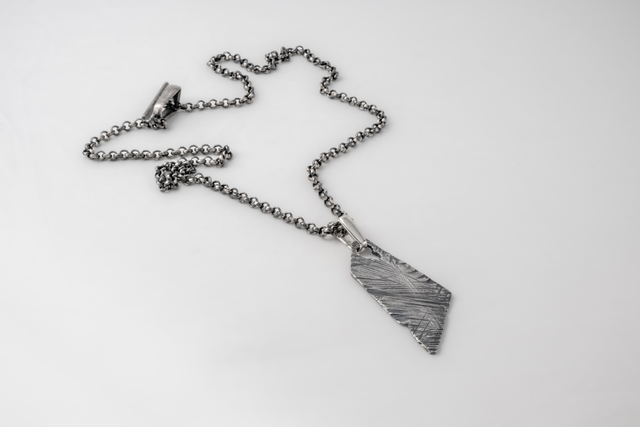
- Oxidised (blackened) — deliberately darkened silver, where the patina was created by hand and is part of the design. It must not be cleaned with soda, foil or abrasives — you will strip the blackening. Only a dry cloth, over the raised parts.
- With stones — it depends on the stone. Hard ones (cubic zirconia, topaz) take gentle cleaning; porous ones (pearl, turquoise, opal, amber) do not.
If you are unsure whether your silver is oxidised or simply darkened with age, start with the gentlest method. A cloth harms neither.
Cleaning methods — from gentle to strong
1. A jewelry cloth (light tarnish)
A dedicated cloth is impregnated with a compound that lifts a thin layer of sulphide and brings back the shine. Just wipe the piece dry, no water. This is the safest method: it suits polished and oxidised silver alike (over the bright raised parts) and most pieces with stones. Keep one at home — it solves 80% of cases.
2. A soap solution (medium tarnish)
Dissolve a drop of dish soap in warm (not hot) water. Soak the piece for 10–15 minutes, then go gently over the relief and into the recesses with a soft toothbrush. Rinse in clean water and wipe dry at once with a soft cloth — streaks appear if you let it air-dry. The method is safe for most pieces, except porous stones.
3. Baking soda and foil (heavy tarnish)
This is an electrochemical reaction that returns the shine to darkened silver without friction:
- Line the bottom of a bowl with kitchen foil, shiny side up.
- Place the piece on the foil so that it touches the metal.
- Add 1–2 tablespoons of baking soda and pour boiling water to cover the piece.
- After 5–15 minutes the tarnish moves from the silver onto the foil. Take it out, rinse, wipe dry.
Important: this method removes all of the dark film, the intended patina included. For oxidised and blackened silver it is not suitable — the piece will turn bright and lose its design. Do not use it for pieces with glued-in or porous stones either.
4. Soda paste and toothpaste (spot use, carefully)
A thick paste of soda and water, or plain toothpaste (without whitening granules), is a mild abrasive for local dark spots. Apply the minimum, rub gently, rinse at once. The downside: abrasive leaves micro-scratches over time and turns a polished surface matte. For a mirror shine and for oxidised silver this method does not suit. Use it only as a last, local resort.
What not to do
Do not clean oxidised silver with soda, foil or abrasives. The patina on such pieces is made on purpose — it is the design. Aggressive cleaning leaves the piece bright and "bare." Oxidised silver needs only a dry cloth over the raised parts; the recesses stay dark, as intended.
Do not put pieces with porous stones in water or baths. Pearl, turquoise, opal, amber and coral absorb water and chemicals, cloud over and crack. Wipe them only with a slightly damp, then a dry cloth.
Do not use acids and household chemicals "by eye." Chlorine, bleach and vinegar in high concentration eat into the copper part of the alloy and can leave green marks. Silver needs mild agents, not aggressive ones.
Do not scrub with hard brushes or powders. A steel pad and scouring powder lift the tarnish along with the top layer of metal, leaving scratches for good.
How to clean less often: prevention
Silver darkens more slowly if you do not "care for" it aggressively, but simply handle it right:
- Take it off before the shower, the pool, the gym and cleaning. Chlorine, sweat and household chemicals speed up tarnishing many times over.
- Put jewelry on last, after cream, perfume and hairspray — cosmetics contain sulphur.
- Store it dry, ideally in a closed box or zip bag, with a sachet of silica gel if you have one. Damp air is the main accelerant.
- Wear it more often. It sounds paradoxical, but friction against fabric and the skin's natural oils work like a gentle polish — silver worn regularly darkens more slowly than silver left in a box.
STRUGA oxidised silver — a special case
Some STRUGA objects are oxidised silver: the dark patina is made on purpose, during the work, and it is intent, not a defect. Such silver does not need to be "brought back to a shine." Separately, STRUGA works with Living Silver — 925 silver with no rhodium plating: it lives on its own, darkening in the recesses and lightening on the raised parts with wear. More in the guide to caring for oxidised silver.
Care for our pieces is only a dry jewelry cloth over the bright raised parts, and careful storage. No soda, foil or abrasives: they wash off the patina. See the oxidised objects in the oxidised silver collection and the blackened series — for example the Brutalism V.3 ring. If the darkening has gone deep and you want to renew a piece, that is work for a workshop, not a home bath.
Frequently asked questions
Is oxidised silver the same as tarnished silver?
No. Tarnish is an accidental dark film from the metal reacting with sulphur in the air, and it comes off at home. Oxidised silver is darkened on purpose during the work — the patina is the design. Tarnish you remove; oxidised patina you keep.
Does cleaning silver mean making it shiny again?
Not always. For polished bright 925 silver, yes — a cloth or a soda-and-foil bath returns the shine. For oxidised and blackened silver, no: bringing it back to a mirror strips the intended patina and ruins the design. There the goal is to keep the dark, not erase it.
Is Living Silver the same as oxidised silver?
No. Oxidised silver is darkened by hand during the work. Living Silver is 925 silver with no rhodium plating that changes on its own — darkening in the recesses, lightening on the raised parts with wear. One is a deliberate finish; the other is the bare metal living with you.
Can you clean silver with toothpaste?
You can, but carefully and only on polished bright silver without stones. Use a paste without whitening granules, rub gently and rinse at once. The downside is that abrasive leaves micro-scratches and dulls the shine. For regular care a cloth or a soap solution is better.
Why can't you clean oxidised silver with soda?
Soda with foil removes the entire dark film, the intended patina included. On oxidised silver the patina is the design, and after such cleaning the piece will turn bright and lose its look. Oxidised silver needs only a dry cloth over the raised parts.
How often should silver be cleaned?
As tarnish appears, not on a schedule. With regular wear, a pass with a cloth once every week or two is enough. The less a piece sits idle and meets cosmetics, the less often it needs cleaning.
Silver has darkened all over — can the shine come back?
In most cases yes: the "soda + foil + boiling water" method returns the original shine to polished silver in 5–15 minutes. The exceptions are oxidised and blackened silver (where the patina is deliberate) and pieces with porous stones: those are restored only by a workshop.
Can you clean silver with stones?
It depends on the stone. Hard, non-porous ones (cubic zirconia, topaz, garnet) take a gentle soap clean. Porous ones (pearl, turquoise, opal, amber) fear water and chemicals — wipe them only with a slightly damp, then a dry cloth, without soaking.
In short
The darkening of silver is ordinary chemistry, and at home it is treated with three tools: a jewelry cloth, soapy water, soda with foil. Always start with the gentlest. And remember the main exception: oxidised and blackened silver is never polished back to a shine — its dark patina is the design, and it needs only a dry cloth.
About STRUGA. STRUGA is a dark-silver jewelry brand. Founder and designer Dmitry Strugovshchikov works with Balinese and international master silversmiths. Every piece is 925 silver. Natural patina, or hand patination. The darkening is part of the intent — a brutal object that reacts and changes through contact with its surroundings and its owner.