




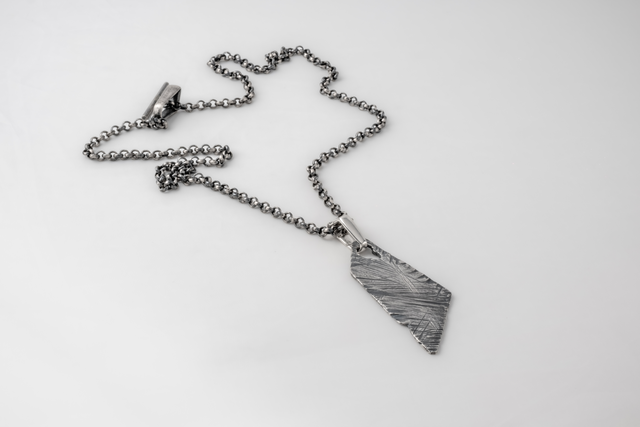

What blackened silver jewelry does STRUGA make?
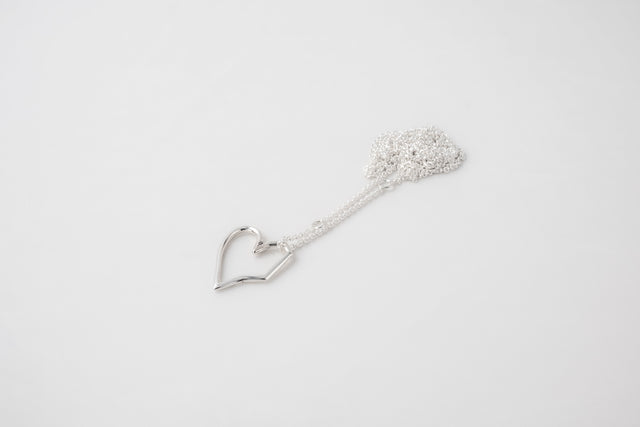
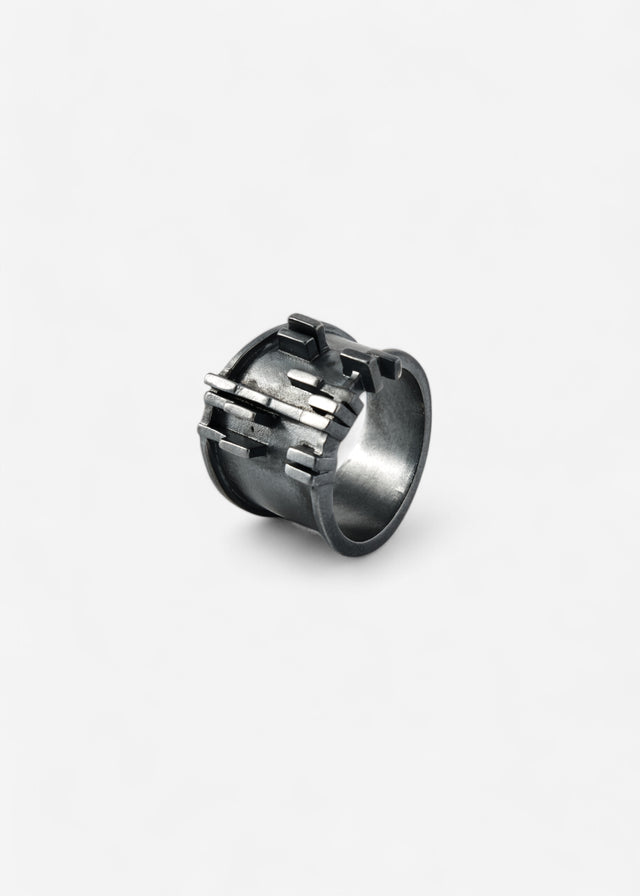
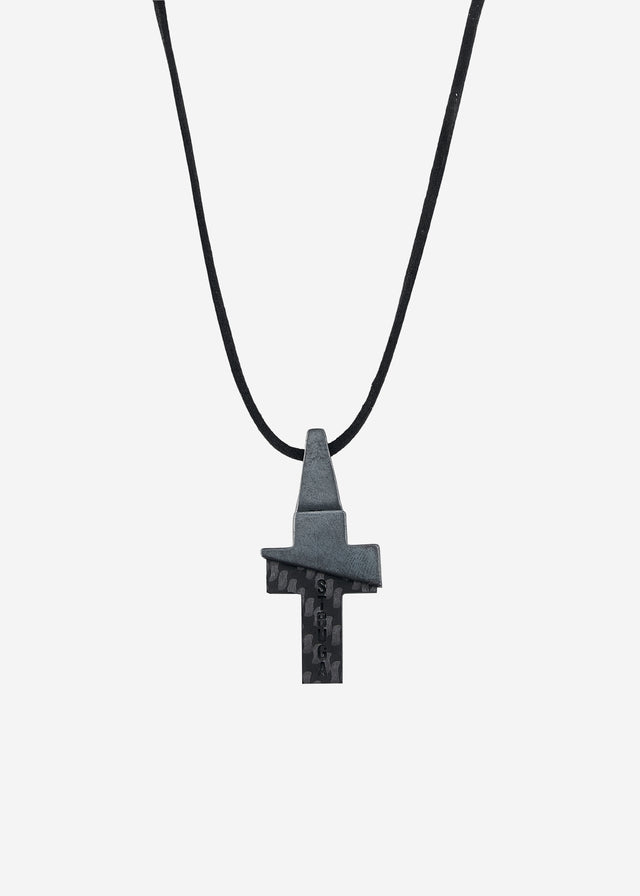
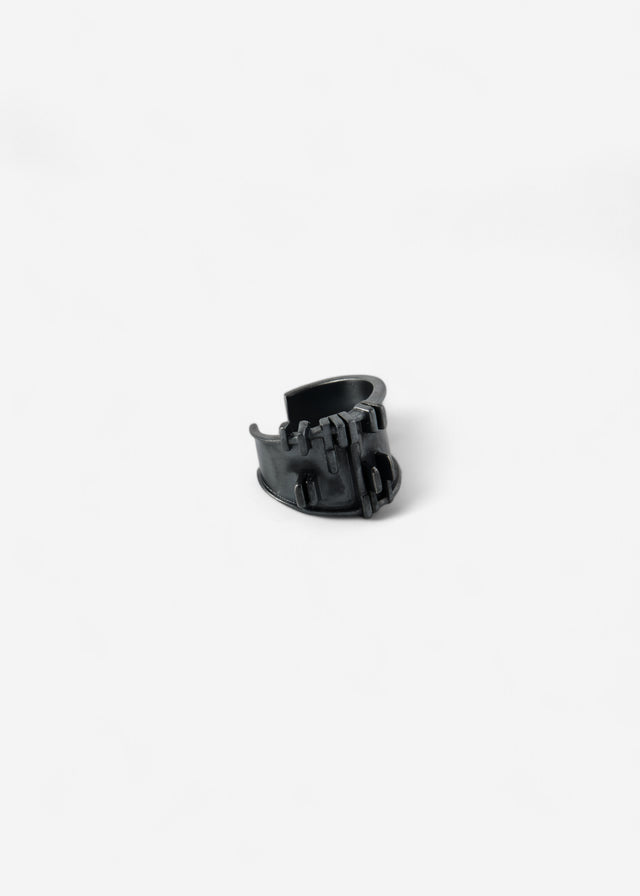
This STRUGA collection brings together a 925 silver ring, an ear cuff, necklaces and earrings darkened during making. Blackening is a choice of surface, not a separate fineness.
Is every dark silver surface niello?
The surface of the pieces in this collection is deliberately darkened during making. Niello is a separate dark material used to fill an incised design. A dark color alone does not identify the construction method.
How is it different from Living Silver?
Living Silver describes bright 925 silver whose surface changes with wear. The pieces in this collection are darkened in advance.
Can I polish the dark surface?
Polishing changes the finish. Choose care for the particular piece, taking its relief, stone and other materials into account. Ask for your model’s care instructions before removing the darkening.
Can I order another identical amulet?
The AMULET earrings in this collection are recorded as one-of-one archive pieces. You can request a similar new object; the stone, feasibility and production time require separate confirmation.