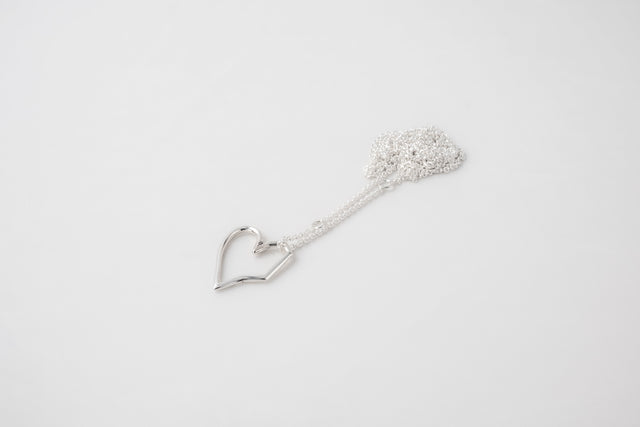
Is Sterling Silver Hypoallergenic? What 925 Can Tell You
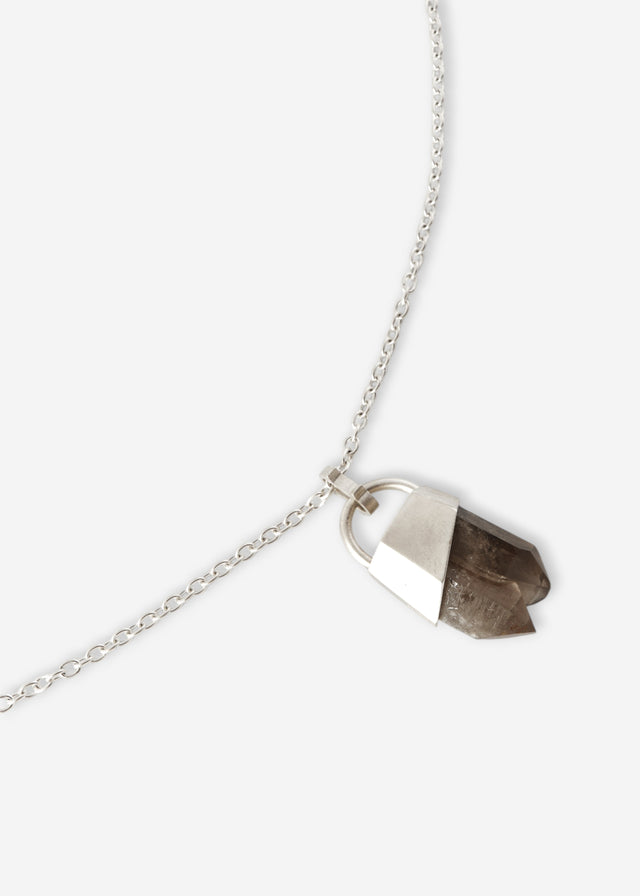
Hypoallergenic silver does not mean allergy-proof. Sterling silver contains 92.5% silver, but a 925 mark does not disclose every component of a finished piece or predict your skin's response. With a known allergy, the answer needs to concern the particular object.
Separate three questions: how much silver the alloy contains, what touches the skin, and what causes your own reaction.
STRUGA's silver Signature Asymmetric Ear Cuff (L) and carbon ear cuffs have different compositions. The brand name does not replace a material description.
Updated September 13, 2026
The cuff form belongs to SIGNATURE ASYMMETRIC in CODEX; the alloy is explained in the 925 silver Atlas.
What a 925 mark tells you
925 means 925 parts silver in a thousand parts of alloy. The US Federal Trade Commission explains the mark this way. The remaining 7.5% consists of other components. The number does not list them or separately describe a clasp, post, solder or coating.
“Is this real silver?” and “Will my skin tolerate it?” therefore need different answers. Our complete sterling silver guide covers fineness and its markings. Choosing a piece with an allergy in mind requires information about the finished object's materials.
Why buyers ask about nickel
Nickel is a common contact allergen, found in jewelry and components that touch the skin. The American Academy of Dermatology advises people with nickel allergy to avoid exposure. The word “silver”, however, cannot identify the cause of an individual rash.
“Hypoallergenic”, “nickel-free” and “925 silver” answer different questions. Ask what supports each description and whether the answer covers the whole piece. An alloy name, a description of its coating and a nickel-release test result are not interchangeable.
In Big Thorn Bracelet, for example, the silver structure holds carbon inlays. That is a description of a particular object. It cannot be shortened to “suitable for sensitive skin”.
Coating and material: look at the whole construction
Living Silver is STRUGA's term for 925 silver without rhodium plating. Silver darkens with wear; matting or polishing sets its surface. Oxidizing is a separate process that darkens the silver beforehand. Neither the absence of rhodium nor a dark finish is a medical assessment.
For a coated piece, ask what the surface layer is and what lies beneath it. Shine alone cannot reveal the construction. A claim of a permanent protective barrier needs evidence; appearance cannot supply it.
The Signature Asymmetric Carbon Ear Cuff — Arctic Graphite contains no silver: it is a carbon cuff. In the CARBON family, material changes the form and weight. Carbon here is not a treatment recommendation or an allergy workaround. The absence of silver does not establish skin compatibility.
Half a day without a rash does not rule out a reaction
Mayo Clinic describes nickel reactions that usually begin within a couple of days. Trying on a piece, or wearing it for half a day, therefore cannot establish that you are not allergic to it.
Past experience offers no lifetime guarantee either. NHS guidance explains that initial contact with an allergen can produce no visible reaction, while later contact can cause symptoms. Yesterday's comfort is not proof for the future.
If a clinician suspects contact allergy, they may arrange patch testing. The AAD's explanation of clinical testing describes removing patches after 48 hours and another assessment after 4–7 days. A professional carries out this investigation; wearing jewelry at home does not replace it.
Questions to ask before buying
| Question | The answer you need | What it does not establish |
|---|---|---|
| What is this object made of? | The materials of the main form and skin-contact components | A fineness mark alone does not describe the whole construction |
| Is there a coating? | The surface material and the base beneath it | Shine does not establish protection from a reaction |
| Are there data on nickel? | What was checked and which piece the result concerns | A general brand statement does not replace object-specific data |
| What are the try-on and exchange terms? | The store's rules before wearing the piece | Trying it on is not an allergy test |
Keep the selected object's name and link. They help a person at STRUGA check your material question. If you have a diagnosed allergy, specify the component you need to avoid. Without a precise answer, the question remains open.
STRUGA silver and the choice of form
STRUGA uses 925 silver in its silver objects. Living Silver denotes the absence of rhodium plating. These material facts do not guarantee individual tolerance.
Earrings differ in form and attachment; an ear cuff holds onto the ear without a piercing. With a ring or bracelet, size and fit need checking. Comfort of fit and absence of an allergic reaction are separate properties.
For the international market, STRUGA objects are made in Bali. The product page describes the selected material, size and available options; questions about a particular configuration belong before purchase.
If a rash appears beneath jewelry
Stop wearing the piece under which the rash appeared. AAD guidance notes that contact dermatitis can involve various materials; beneath a ring, soap and water can sometimes irritate the skin. Do not identify the cause from the jewelry's price or the colour of a skin mark.
If the cause is unclear, the rash persists, returns or develops blisters, see a clinician or dermatologist. Swelling, increasing pain, pus or warmth in the affected skin need prompt medical attention. Diagnosis considers symptoms and exposure history; cleaning the metal does not establish that wearing it again is safe.
Care depends on the object's construction and surface: silver, inlays and finish can require different handling. Cleaning changes the condition of the object. It does not establish the cause of a skin reaction.
Frequently asked questions
Didn’t find the answer — write to us, we reply personally.
Ask a question →01Is sterling silver hypoallergenic?+–
A 925 mark alone does not establish this. It describes the silver fraction of an alloy; with an allergy, you need information about the particular piece and the cause of the individual reaction.
02Does STRUGA use real 925 silver?+–
STRUGA uses 925 silver in its silver objects. The catalog also includes carbon ear cuffs without silver. Check the selected product page for its material; this information is not a guarantee of tolerance.
03Does a 925 stamp prove that a piece is nickel-free?+–
No. The number describes silver content, not every remaining component. It does not replace information about separate parts or a test result for the finished piece.
04Can half a day of wear test for an allergy?+–
No. A reaction can appear later. Contact allergy is assessed through symptoms, exposure history and, where appropriate, clinical testing.
05Does past tolerance rule out a later reaction?+–
No. Sensitivity can develop after earlier contacts without visible symptoms. If a new rash appears, past tolerance does not rule out a connection with the jewelry.
06Does the absence of rhodium make silver safer for skin?+–
Not by itself. Living Silver describes the surface of STRUGA silver, not medical properties. Assessing a particular object requires knowing its materials; that still cannot predict an individual response.
07Does a green or grey mark mean an allergy?+–
Colour alone cannot establish or rule out allergy. If itching, a rash, pain or blisters appear, an explanation about metal oxidation cannot replace finding the cause.