
What Is Brutalist Jewelry? A Guide to Architectural Design
Brutalism Beyond Architecture
When most people hear "brutalist," they think of raw concrete buildings — massive, unapologetic structures that dominated post-war architecture. But brutalism was never just about buildings. It was a philosophy: strip away decoration, expose the material, let the structure speak for itself. That same philosophy has found its way into jewelry design, and it's producing some of the most compelling pieces in contemporary fashion.
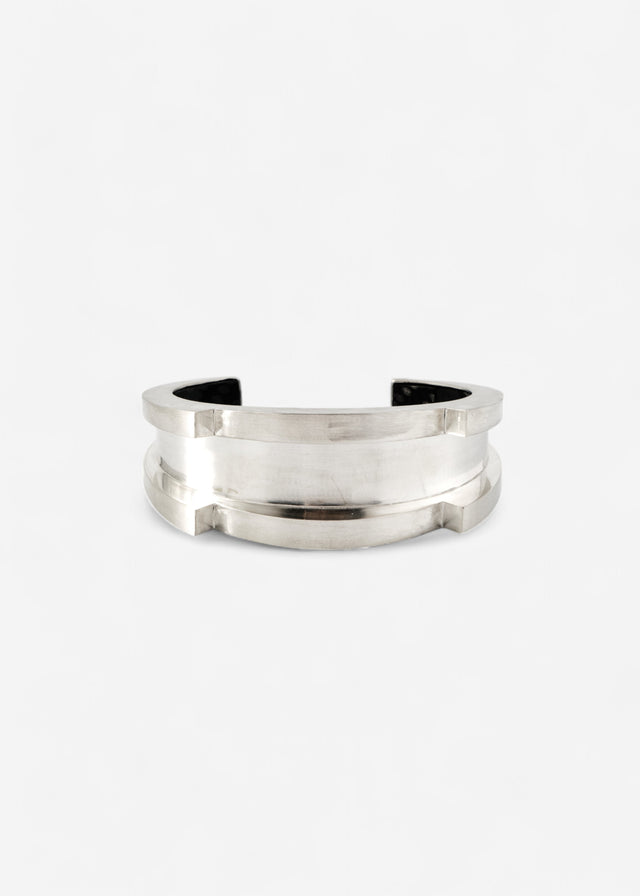
Brutalist jewelry takes the principles of raw materiality, bold geometric forms, and unpolished surfaces and translates them into wearable art. The result is jewelry that doesn't try to be pretty in a conventional sense. Instead, it aims to be powerful, honest, and architecturally striking.
The Origins of Brutalist Jewelry
The movement has roots in the studio jewelry tradition of the 1960s and 70s, when artists like Art Smith, Alexander Calder, and the Finnish modernists began treating jewelry as sculpture rather than decoration. They worked with raw metals, asymmetric forms, and oversized proportions that challenged what jewelry was supposed to look like.
In the 2010s, a new wave of designers revived and expanded these ideas. Brands began combining industrial aesthetics with handmade craftsmanship, creating pieces that felt equally at home in a gallery or on the street. The rise of dark fashion, avant-garde streetwear, and subcultures like techno and post-punk fueled demand for jewelry that matched these aesthetics — bold, dark, unapologetic.
What Makes Jewelry "Brutalist"
Raw surfaces. Instead of high polish, brutalist pieces often feature oxidized, matte, or deliberately textured finishes. The metal shows its character — hammer marks, casting textures, and the natural patina that develops over time are considered part of the design.
Geometric or architectural forms. Clean angles, sharp edges, and structural shapes define the silhouette. Think less flowing curves, more concrete beams translated into silver.
Substantial weight. Brutalist jewelry tends to be solid and heavy. The weight is intentional — it's part of the experience. You don't just see the piece; you feel it.
Minimal ornamentation. Decoration for its own sake is avoided. If a stone is set into a brutalist piece, it's chosen for its raw, natural quality — rough-cut tourmaline, unpolished quartz, meteorite fragments.
Intentional imperfection. Hand-casting processes create slight variations between pieces. In brutalist design, this is a feature: each piece is a unique object, not a mass-produced copy.
How STRUGA Approaches Brutalist Design
At STRUGA, brutalism meets Bali's silversmithing tradition. Our approach takes the philosophy of raw, architectural design and channels it through centuries-old handcraft techniques. The Brutalism collection (V.1 through V.3) explores this directly — each ring is a study in aggressive geometry, cast in solid 925 sterling silver using lost-wax methods.
But brutalist thinking runs through the entire STRUGA catalog. The Thorn collection translates organic sharp forms into wearable silver. The Blade series draws from industrial cutting tools. The Carabiner pieces borrow from climbing hardware and military equipment. In every case, the design principle is the same: let the form and material do the talking.
What makes our approach distinct is the combination of this modern aesthetic with Bali's artisanal production. Each piece is hand-cast, hand-finished, and hand-set by Balinese silversmiths.
How to Wear Brutalist Jewelry
Let one piece anchor the look. Brutalist jewelry is designed to be a focal point. A single bold cuff or statement ring often works better than layering multiple pieces.
Dark palettes work naturally. Black, charcoal, deep navy, and earth tones provide the perfect backdrop for oxidized silver.
Mix textures, not styles. Pair a raw-surfaced silver bracelet with leather, matte cotton, or wool. The contrast between textile and metal textures adds depth.
Consider the occasion differently. Brutalist jewelry doesn't follow traditional "fine jewelry" rules. A heavy silver ring can be everyday wear. A statement cuff can go to a gallery opening or a late-night set.
Brutalist Jewelry and the Subcultures That Wear It
There's a reason brutalist jewelry has found a home in techno, industrial, and dark fashion communities. These subcultures share values with the brutalist movement: authenticity over decoration, substance over trend, the beauty of raw materials and honest construction.
In Berlin's club scene, a heavy silver cuff is as much a part of the uniform as black clothing. In Tokyo's avant-garde fashion districts, architectural jewelry complements designers like Rick Owens, Julius, and Boris Bidjan Saberi. In underground creative communities worldwide, brutalist pieces signal an aesthetic orientation — a preference for design that has weight, both literally and figuratively.
This isn't jewelry for everyone, and that's exactly the point.
Explore STRUGA's brutalist and architectural silver jewelry, handcrafted in Bali. View the collections
Continue Reading